
TL;DR
- What it is: Team17’s 1995 turn-based artillery game, one developer, four teams, endless replay
- Platform/Price: GOG has the original for ~£3; Worms Armageddon (1999) for ~£8 and is the preferred choice
- Dad Filter verdict: Buy Cheap — one of the best family games ever designed
- One thing to know: Andy Davidson coded the original on his Amiga as a 17-year-old. Team17 picked it up and ran with it.
New to TurboGeek Gaming? Start with the Dad Filter manifesto to understand how I review games — as a 46-year-old dad with two boys aged 10 and 7, not as a professional games journalist. Then check the Gaming hub for every review.
What It Is
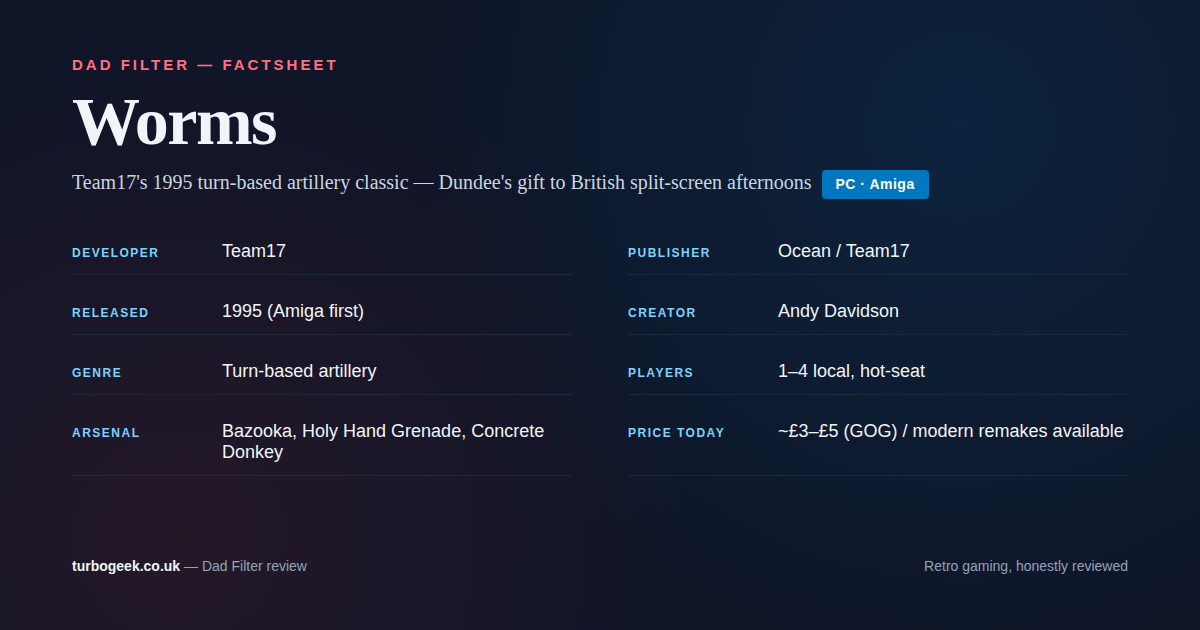
Worms is a turn-based artillery game developed by Team17 in Ossett (and briefly Dundee) and published in 1995 across Amiga, Amiga CD32, PC MS-DOS, SNES, Mega Drive, and several other platforms. The premise is embarrassingly simple: up to four teams of little pink worms take turns firing weapons at each other across a randomly generated 2D landscape. You move, you aim, you fire, you hope the wind, angle, and power are correct. You hand the keyboard to the next player. The last team standing wins.

The arsenal is the game’s real personality. Standard weapons — bazooka, grenades, shotguns — sit next to the absurd: the Holy Hand Grenade (Monty Python reference), the Super Sheep (a guided rocket shaped like a sheep), the Concrete Donkey (a massive statue that drops from the sky). The voice samples — high-pitched worm voices squeaking ‘uh oh’, ‘fire in the hole’, ‘traitor’ — became mandatory in student halls and school IT rooms across the UK for most of the late 1990s. Andy Davidson wrote the original on his Amiga as a teenager. Team17 spotted it, polished it, and turned it into a franchise that has produced somewhere north of twenty-five sequels.
Why This One Matters To Me
Worms lived in a specific slot for me — the lunchtime IT room slot, where you had 40 minutes, a tolerant computing teacher, and three other boys who also had 40 minutes. The game was perfect for that window. You could fit a full four-player match into lunch. You could also extend a match indefinitely if things got interesting, by letting worms live through their otherwise-fatal plunges into water by sheer luck. Everyone had a favourite weapon strategy. Nobody was ever anything approaching good.
The genius of the design is that turn-based is genuinely forgiving. Unlike a real-time game, there is no moment where you fall behind in reflex terms — every player has an unhurried minute to plan their move, and the weakest player in the group can still pull off an improbable 90-yard bazooka hit because the physics is consistent. That is a design choice that modern competitive games have almost entirely abandoned, and it is why Worms is still easy to run as a family activity.

Playing it now with the boys, the pacing is what grabs them. My seven-year-old struggles with real-time shooters because his thumbs are not fast enough. He loves Worms. Turn-based is the great equaliser. My ten-year-old has picked up the strategy quickly — build a bunker, save grenades, use teleports cleverly. The game teaches real thinking about angles, wind, and physics without anyone noticing they are being taught.
There is also, and this is not trivial, the specific British-ness of Worms. The voice acting, the weapon jokes, the level of absurdity — this is a game written by people who grew up on Monty Python and The Young Ones, and it shows. A French game would not have made a Holy Hand Grenade. An American game would not have understood the Sheep. Worms is a Team17 Dundee-era artefact through and through, and that is part of what makes it worth owning in 2026.
The Dad Filter
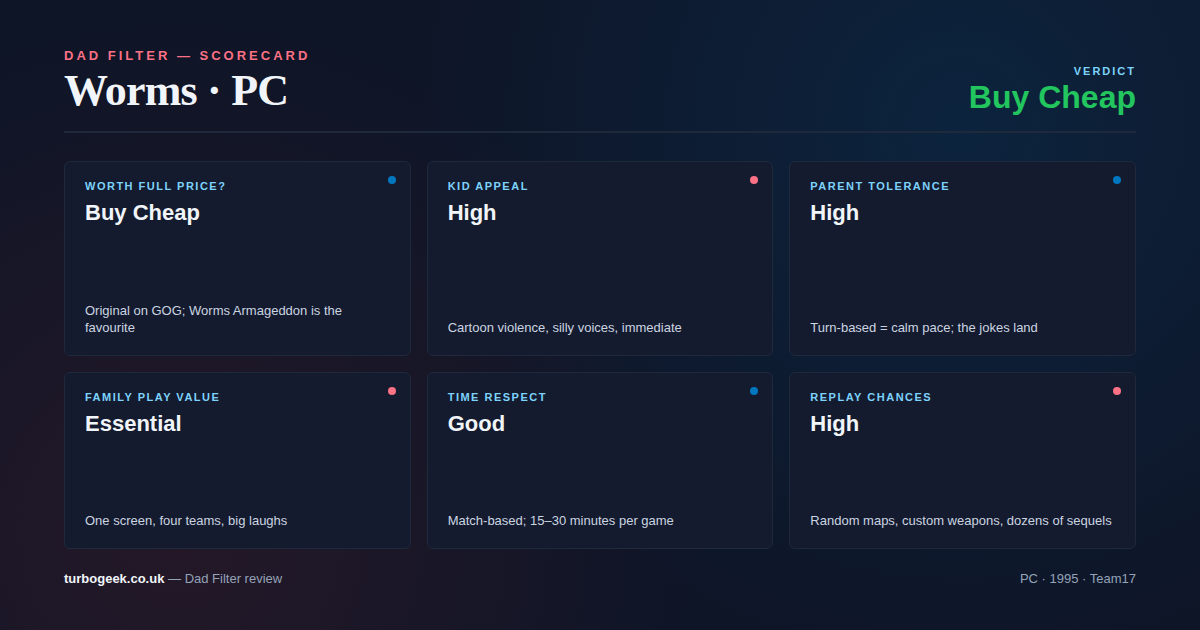
Worth Full Price?
Buy Cheap. The original 1995 Worms is on GOG for around £3 to £5 and runs on DOSBox. The generally preferred version among returning fans is Worms Armageddon (1999, also Team17), which added most of the now-canonical weapons and is on Steam and GOG for about £8 to £10.
There are many sequels. Worms World Party (2001), Worms 2: Armageddon (2010), and Worms W.M.D. (2016) are the ones most often cited as still-good. For a dad returning casually, Worms Armageddon is the right pick. For a purist, the 1995 original still plays perfectly.
Kid Appeal
High. The little pink worms squeaking funny lines is an immediate win with children. The physics-based chaos is endlessly funny. The cartoon violence has no gore, no stakes, and a natural bouncy quality that kids find hilarious.

My boys consistently ask to play this game. That puts it in a small elite group among anything on this retro list. Lemmings and Worms are the two retro games my family will play together voluntarily.
Parent Tolerance
High. The turn-based pacing is genuinely relaxing compared to anything real-time. The music is upbeat and looped but not annoying. The rounds are short enough that there are natural stopping points.
A worms session after tea, before bath, is perfect family use of 30 minutes. Everyone gets to make silly names for their worms. Everyone gets to blow up at least one worm. Everyone goes to bed happy.
Family Play Value
Essential. This is one of the handful of retro games that is not merely playable as a family activity but ideal for it. One PC, one keyboard (pass it round), up to four teams, up to two hours if you want. Adjust difficulty by how many worms each team gets, or which weapons are disabled.
This is a game I recommend to every parent I know of kids aged 7 and up. It is funnier than it has any right to be, and it teaches real strategy without the kids realising.
Time Respect
Good. A match takes 15 to 30 minutes depending on team sizes and settings. You can play one match and walk away. No save-state grind, no progression to protect. Start, play, laugh, finish.
For dads looking for a reliable 20-minute post-bedtime game with a friend over video call — Worms does that too, via LAN or via modern Worms W.M.D.’s online multiplayer. Older options are harder to network today.
Replay Chances
High. Random map generation means no two matches are identical. Different weapon loadouts change the strategy considerably. Four-player hot-seat provides effectively infinite replay because the interesting variable is the humans, not the software.

If you pick up Worms Armageddon specifically, the additional modes and Super Weapons will keep you interested for years. If you stick with the 1995 original, a couple of weekends is probably enough before you go looking for the sequels.
How Many Worms Games Are There?
The short answer: a lot. Since the original launched on Amiga in November 1995, Team17 has shipped roughly two dozen mainline Worms titles, plus expansions, mobile spin-offs, and platform-specific re-releases. The list below covers the principal entries on console and PC. (There are additional iOS- and Android-only titles — Worms 3 in 2013 and Worms 4 in 2015 — that are mobile reboots rather than numbered sequels in the home-console line.)
| Year | Title | Original platforms |
|---|---|---|
| 1995 | Worms (1995) | Amiga, MS-DOS, SNES, Mega Drive, others |
| 1997 | Worms: The Director’s Cut (1997) | Amiga |
| 1997 | Worms 2 (1997) | PC |
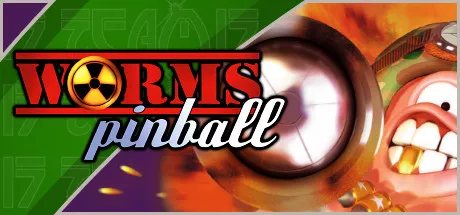
| 1998 | Worms Pinball (1998) | PC |
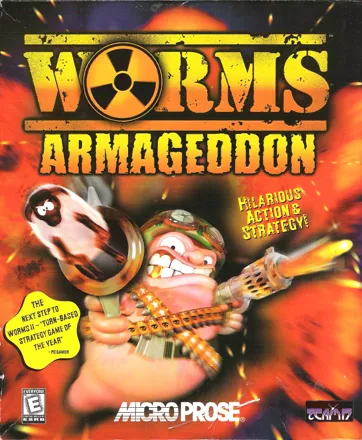
| 1999 | Worms Armageddon (1999) | PC, Dreamcast, PS1, N64 |
| 2001 | Worms World Party (2001) | PC, Dreamcast, PS1, GBA |
| 2002 | Worms Blast (2002) | PC, GameCube, GBA |
| 2003 | Worms 3D (2003) | PS2, Xbox, GameCube, PC |
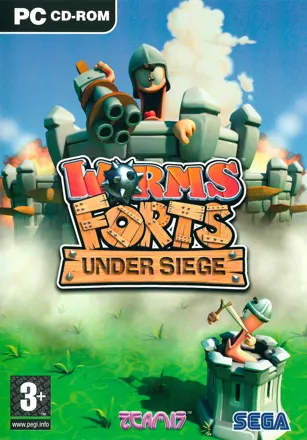
| 2004 | Worms Forts: Under Siege (2004) | PS2, Xbox, PC |
| 2005 | Worms 4: Mayhem (2005) | PC, PS2, Xbox |
| 2006 | Worms: Open Warfare (2006) | PSP, Nintendo DS |
| 2007 | Worms (2007 Xbox Live Arcade) | Xbox 360 (Xbox Live Arcade) |
| 2007 | Worms: Open Warfare 2 (2007) | PSP, Nintendo DS |
| 2008 | Worms: A Space Oddity (2008) | Wii |
| 2009 | Worms 2: Armageddon (2009) | Xbox 360, PS3, iOS |
| 2010 | Worms Reloaded (2010) | PC |
| 2010 | Worms: Battle Islands (2010) | Wii, PSP |
| 2011 | Worms: Ultimate Mayhem (2011) | PC, Xbox 360, PS3 |
| 2011 | Worms Crazy Golf (2011) | PC, iOS, PS3 |
| 2012 | Worms Revolution (2012) | PC, Xbox 360, PS3 |
| 2013 | Worms Clan Wars (2013) | PC |
| 2014 | Worms Battlegrounds (2014) | Xbox One, PS4 |
| 2016 | Worms W.M.D. (2016) | PC, Xbox One, PS4, Switch |
| 2020 | Worms Rumble (2020) | PC, PS4, PS5, Xbox, Switch |
The big inflection points: Worms Armageddon (1999) is the version most fans still rate as the high-water mark of the 2D era. Worms 3D (2003) tried — with mixed success — to take the game into three dimensions. Worms W.M.D. (2016) is the modern fan favourite that returned the series to its 2D roots, with vehicles and craftable weapons. Worms Rumble (2020) abandoned turn-based play entirely for real-time PvP, which split the fanbase. Team17 announced Worms Across Worlds in 2025 as the next mainline entry.
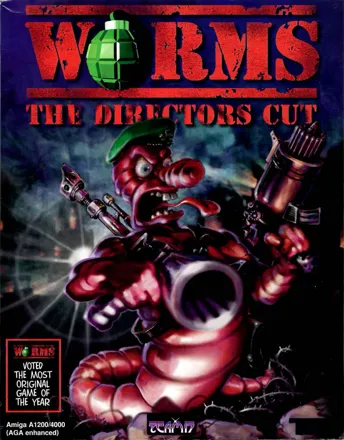
Box Art Gallery
Three decades of Worms cover art, in chronological order. Box art courtesy of MobyGames.









The Verdict
Buy Cheap. Worms is one of a very small number of games I would buy multiple times and hand out to other parents as a recommendation without hesitation. The original 1995 game is a masterclass in accessible strategy design. Worms Armageddon (1999) is the beloved iteration most returning players default to. Worms Rumble and Worms W.M.D. are the modern equivalents.
For £5 on GOG you get one of the all-time great family party games. The UK-ness of the humour has aged beautifully. The turn-based format is genuinely timeless. And the four-team hot-seat mode is the single most underrated format in video gaming — modern games have almost entirely abandoned it, and Worms remains one of the best examples of why that was a mistake.
Hand it to a 7-year-old. Hand it to a 70-year-old. Hand it to yourself on a quiet Tuesday evening. It works in every configuration. There are not many retro games I can say that about.
Related Reviews
- Bomb Jack on C16/Plus 4 — Dad Review — Eighties arcade in a cassette box.
- V-Rally ’97 — Dad Review — PS1 rally classic, reviewed as a dad.
- TurboGeek Gaming Hub — Every review, guide, and parent resource in one place.
- The Dad Filter Manifesto — How and why I review games as a dad, not a gamer.
Leave a Reply