
TL;DR
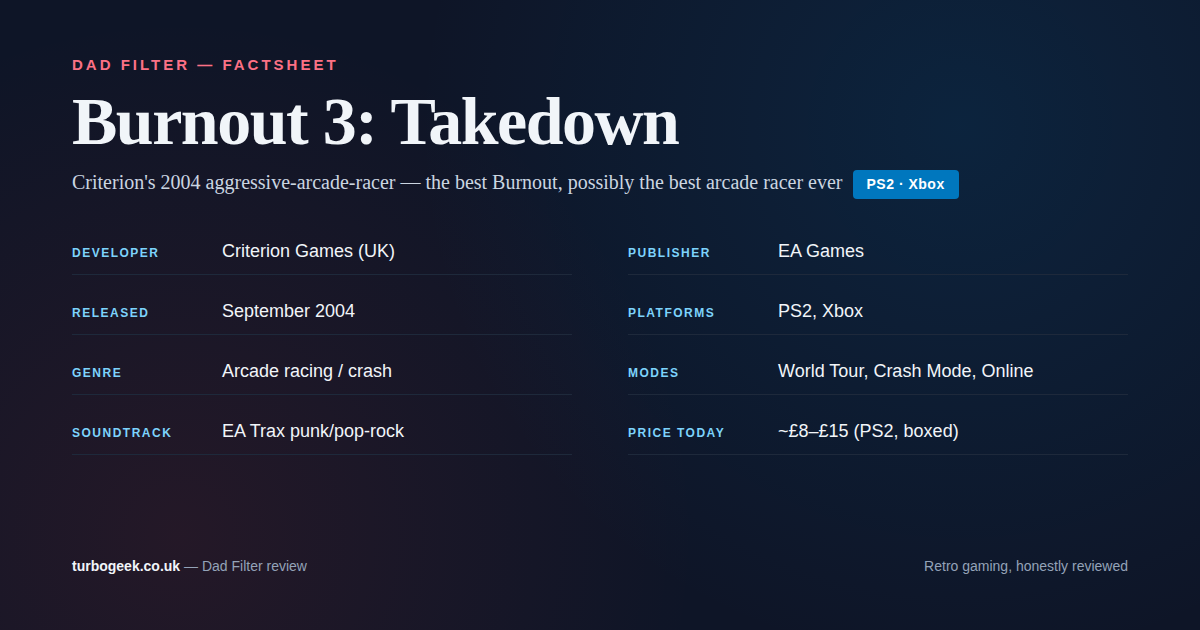
- What it is: Criterion Games’ 2004 PS2/Xbox arcade-racing peak, designed around aggressive driving
- Platform/Price: PS2 boxed — around £8 to £15 on eBay; no digital re-release
- Dad Filter verdict: Buy Cheap — the arcade racer by which all others are measured
- One thing to know: No other Burnout or Criterion game has matched its balance. This is the one.
New to TurboGeek Gaming? Start with the Dad Filter manifesto to understand how I review games — as a 46-year-old dad with two boys aged 10 and 7, not as a professional games journalist. Then check the Gaming hub for every review.
What It Is
Burnout 3: Takedown is an arcade-racing game developed by Criterion Games in Guildford and published by EA Games in September 2004 for PS2 and Xbox. It is the third Burnout title and the game where Criterion worked out the formula that would define the series’ reputation forever. You do not race to win, in the conventional sense. You race to take opponents out — ramming, boosting past them into traffic, initiating multi-car pile-ups. The mechanic is called the Takedown, and the whole game is built around encouraging you to use it.
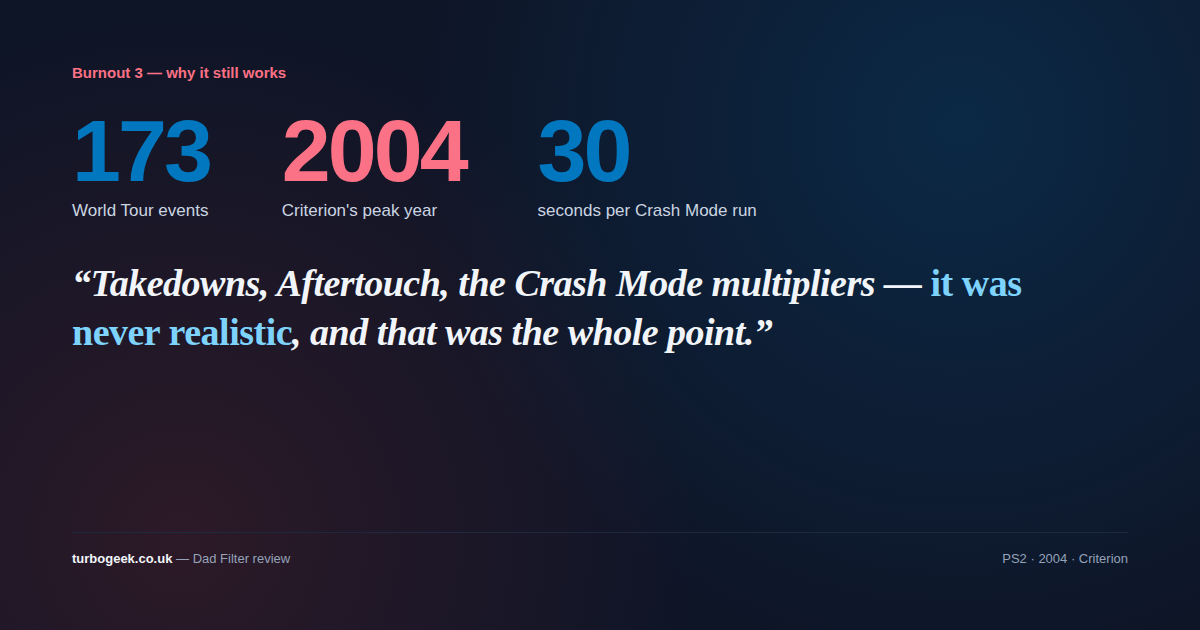
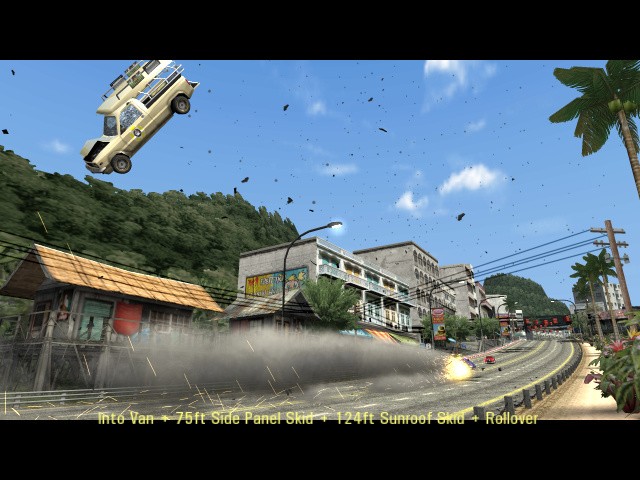
The Crash Mode deserves its own paragraph. Criterion built a separate mode where you are dropped at the top of a crossroads or motorway junction, given a single car, and told to cause maximum pile-up damage in a single run of 10 to 30 seconds. Aftertouch — slow-motion car control after the first collision — lets you direct your wreck into more cars, more trucks, more lorries. It is one of the most genuinely joyful design ideas of the 2000s and was universally imitated, most obviously by GTA’s later rampage modes. The Crash Mode in Burnout 3 is still, 20 years later, better than anything that followed it.
Why This One Matters To Me
Burnout 3 landed in my final year of university, in a shared flat with three other blokes, and replaced our collective TV time for about eight months. We rented a PS2. We bought a second controller. The split-screen Crash Mode sessions were a mandatory part of Thursday nights. Every party had an hour where someone said ‘put Burnout on’ and nobody complained. The soundtrack — My Chemical Romance, Yellowcard, Franz Ferdinand — was the de facto mid-2000s house mix.
Going back to Burnout 3 in 2026, the thing that hits hardest is how confidently designed it is. Modern arcade racers are bloated — dozens of cars, huge open worlds, live service progression, seasonal passes. Burnout 3 is the opposite of all of that. A focused campaign, a tight set of cars, a clean modes structure, a permanent soundtrack. It finishes. It does not demand your attention forever. It just is, and it is excellent.
The Takedown mechanic is still the most satisfying thing any racing game has ever done. The camera zooms. The music cuts. The screen shakes. Your opponent’s car crumples into a corner of the track and your car surges forward with fresh boost. No modern game has managed to replicate the specific feel of that moment, which is why Burnout 3 is still talked about two decades later.
My boys — who are too young to have been alive when the game came out — watched me play for ten minutes. Then they wanted to play. The appeal is immediate in a way very few 20-year-old games manage. Crash Mode does not need any context. It does not need to be explained. You drive the car into other cars and the screen erupts. They both want to play. That is the mark of a genuinely well-designed game.
Gameplay Screenshots
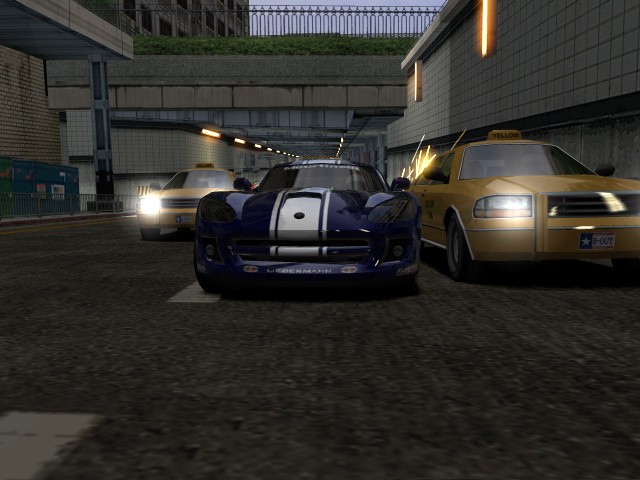
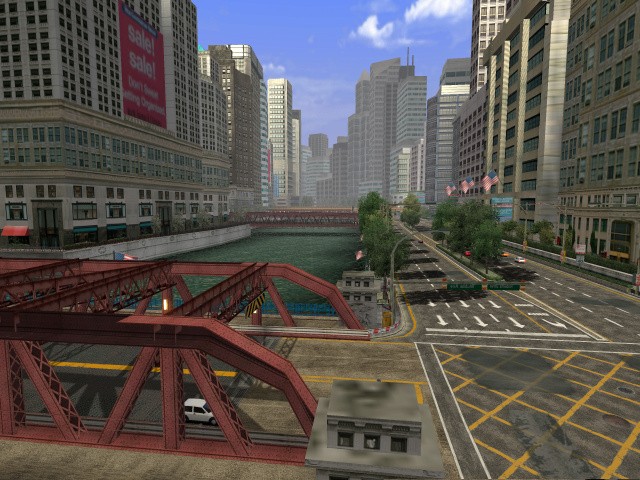
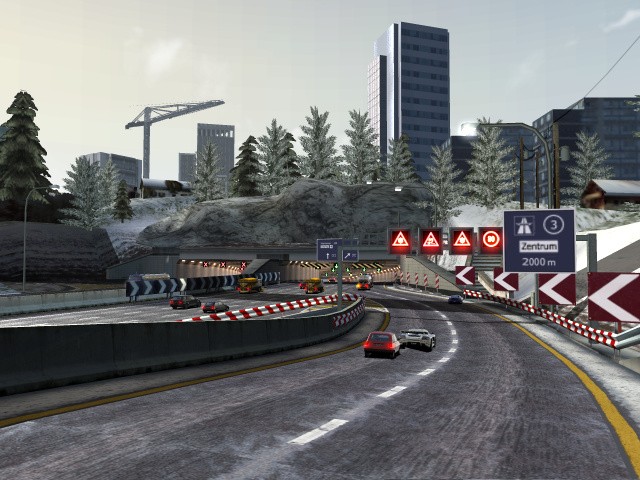
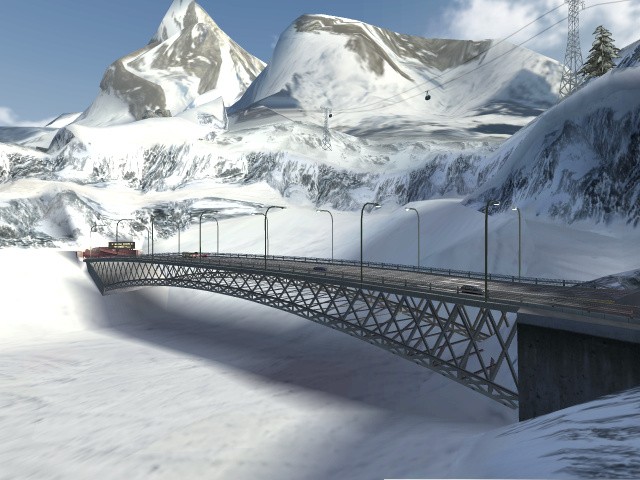
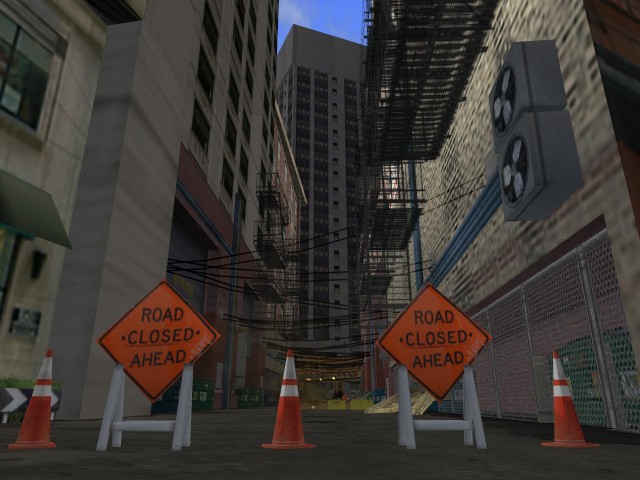
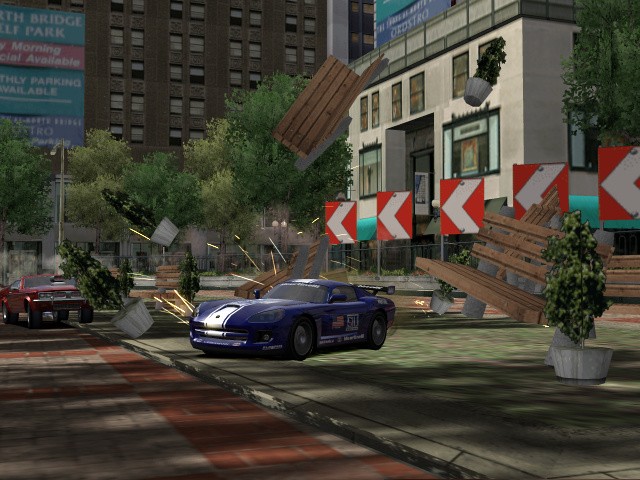
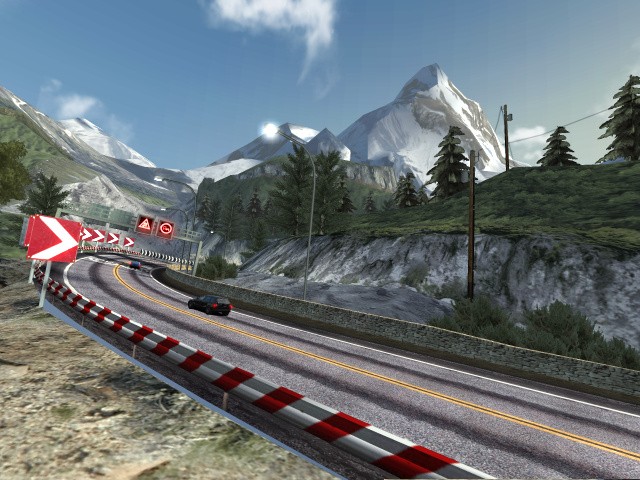
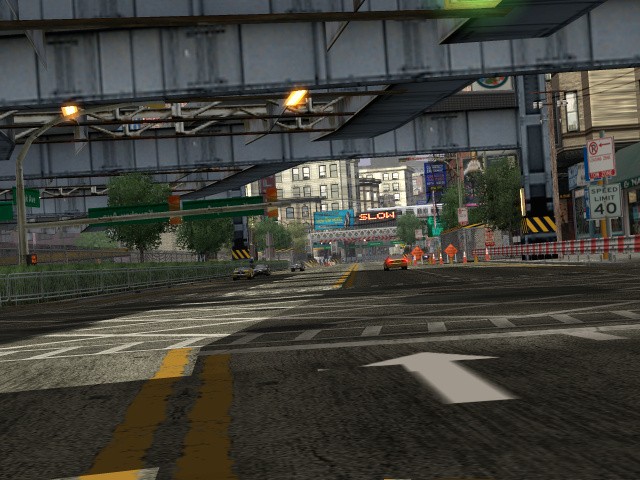
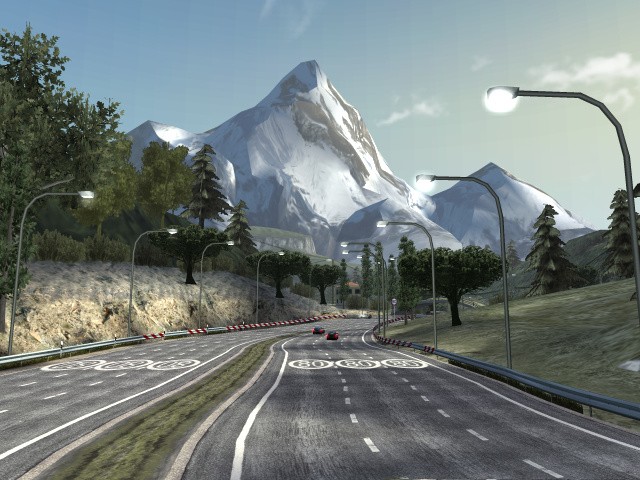
Burnout 3 is a motion game. You remember the speed, the traffic, the sparks, and the crashes, and a gallery does more work here than a long detour describing what the screen is already doing at 130 miles an hour.
The Dad Filter
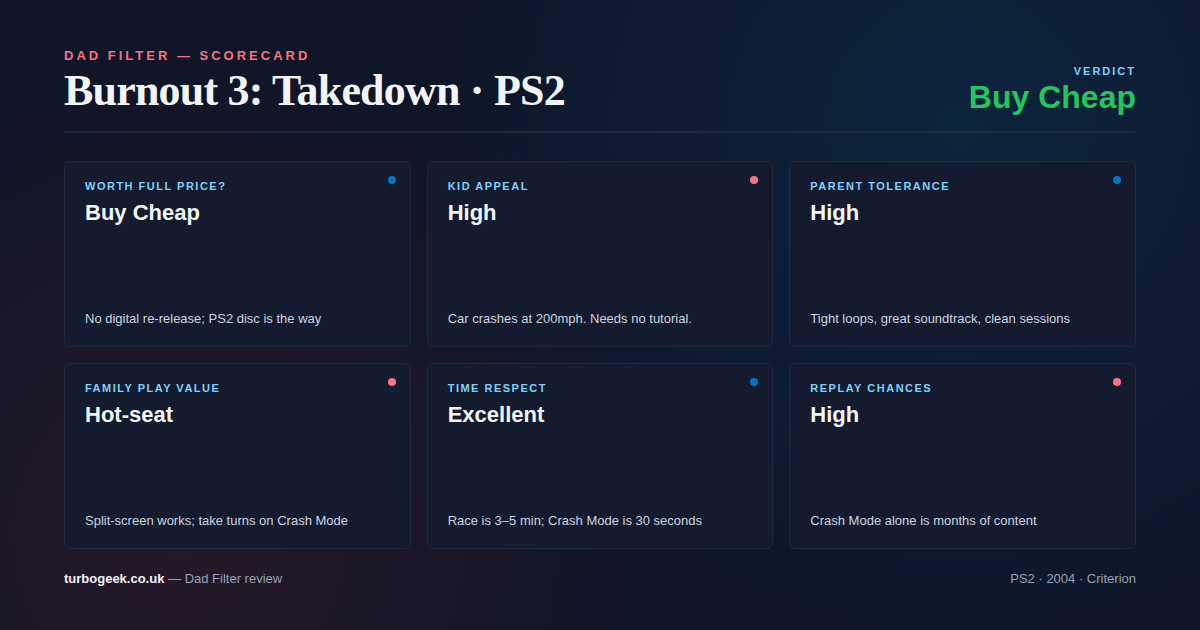
Worth Full Price?
Buy Cheap. Burnout 3 has never been digitally re-released. The PS2 disc is the only way to play the original. eBay copies are £8 to £15 boxed. PS2 consoles are £40 to £80. A PS2 + Burnout 3 setup is one of the best £50 retro-gaming investments available in 2026.
Burnout Paradise Remastered (2018) exists on modern platforms and is a good open-world spiritual successor, but it is not the same game. Burnout 3’s tight closed-circuit design is the one to seek.
Kid Appeal
High. Cartoon car violence with no injuries shown. Fast, loud, immediate. My boys figured out the controls inside two minutes. The PEGI rating is 7+ in Europe and it is remarkably age-appropriate for a game built around vehicular destruction.
The Crash Mode specifically is a universal winner. Handing the controller to a child after letting them watch you cause a 17-car pile-up produces the biggest grin you will see from any retro game on this list.
Parent Tolerance
High. The loop is clean and contained. The soundtrack is genuinely good — the EA Trax 2004 playlist is now a nostalgia object in its own right. The races are short. The driving model is rewarding without being demanding.
No progression grind. No microtransactions (obviously). No online requirement. Boot the disc, pick a mode, play. Exactly as a 2004 game should behave.
Family Play Value
Hot-seat. The split-screen two-player mode was good in 2004 and is good now. Play Crash Mode competitively — best score wins. Or do a split-screen race. Either works.
Not a huge same-screen family game in the modern sense, but the natural take-turns appeal of Crash Mode makes it an excellent family watching activity as well. Someone causes chaos; everyone comments on the pile-up.
Time Respect
Excellent. A race is 3 to 5 minutes. A Crash Mode attempt is 15 to 45 seconds. You can genuinely play for five minutes and feel done, or play for an hour and still feel in control.
No save-system friction. No unlock gates designed to waste time. This is pure arcade pacing, preserved on disc.
Replay Chances
High. 173 World Tour events. Crash Mode alone has about 90 scenarios, each with gold/silver/bronze thresholds that require genuine practice to max out. The closed-circuit race design encourages repeat runs for better times.
For most dads, the campaign plus a Crash Mode fixation will fill several months of casual play. That is an extraordinary amount of game for £10 worth of disc.
The Verdict
Buy Cheap. Burnout 3: Takedown is probably the best arcade racer ever made. That is a claim I stand by after revisiting it. Criterion Games in 2004 were operating at a level no arcade-racing developer has matched since, including Criterion themselves. The Takedown mechanic, the Crash Mode, the soundtrack, the pacing — everything is balanced and everything sings.
It is a tragedy that EA has never digitally re-released Burnout 3. The PS2 disc route is therefore the only way in, but the disc and the console together are still cheap by retro standards, and the game is worth the investment.
This is not a family game in the same sense as Mario Wonder, but it is an excellent game to share with kids over a certain age — and the Crash Mode is the rare feature of any game that is universally funny regardless of age, skill, or context. Buy the disc. Hook up the PS2. Put the soundtrack on loud. Remember why the mid-2000s were actually a very good time for video games.
Related Reviews
- Bomb Jack on C16/Plus 4 — Dad Review — Eighties arcade in a cassette box.
- V-Rally ’97 — Dad Review — PS1 rally classic, reviewed as a dad.
- TurboGeek Gaming Hub — Every review, guide, and parent resource in one place.
- The Dad Filter Manifesto — How and why I review games as a dad, not a gamer.
Leave a Reply